Living in Constant motion
An Interview with Don Rauzelle
What does your life actually look like?
I live a pretty regular day-to-day life and occasionally enjoy an adventure. But mostly, I wake up, do my morning routine to center, and get to work. I usually have one main thing I’m focused on and two smaller things alongside it. I take a nap in the afternoon, get back at it until dinner, then I read and journal and go to bed early. My call schedule depends on my timezone. Otherwise it’s walks in the park, local experiences, cafes, shows, the gym, groceries, haircuts, public transit, taxis, and Wi-Fi hunting.
I don’t do a lot of different things. I do the same things in lots of different places. Watching people in dozens of places try to build a life, I keep noticing the same thing:
Anyone who’s thriving got clear on their direction first.
Everyday I get new ideas for how to improve my own day-to-day. The fact that my brain feels like it’s changing almost week over week can be exciting and daunting. Today it’s bland food, tomorrow it’s heavy spice. Today you’re driving on the right side of the road, tomorrow you’re on the left.
I couldn’t tell you how long I’ll continue to do this, but it’s forcing me to live in the present more than I’ve ever been in my life.
How did you get here?
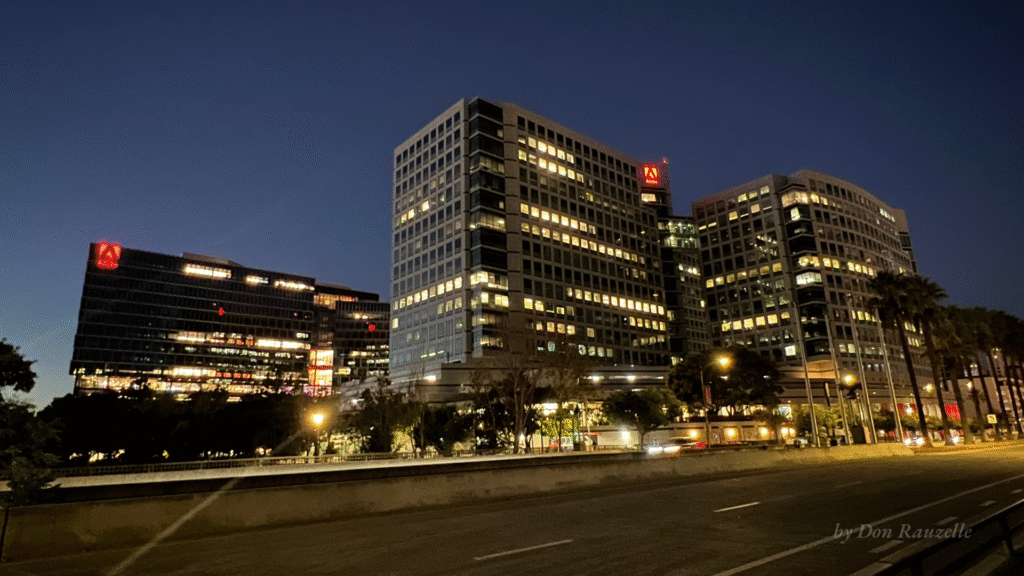
I spent nearly 20 years in corporate tech, leading teams at organizations like Adobe, Google, and Electronic Arts. I was good at getting large organizations pointed in the same direction. I was also good at spending all my energy on other people’s problems, and eventually I ran out of capacity for all of it. My marriage ended, I left corporate, and I had to figure out what was next.
Nobody saw it coming, including me. I’d just come from a weekend away, and it happened the following Thursday. By the time I moved out, I had no resources, no support, and no plan.
What I did have was two decades of knowing how to build direction for large organizations. So I turned those same frameworks inward and built a plan for myself. I commend the corporations for figuring this out a long time ago, and I think it’s a shame nobody teaches this stuff to regular people. So that’s what I do now.
How do you relate to people?
My gift is that I see people who want to be seen. My curse is that I see through people who don’t want to be seen.
I’ve always been good at connecting with others human-to-human, and part of what makes that work is that I pick up on the subtleties and notice what’s underneath. Growing up in an often-times emotionally muted home, I learned to hear what people said, and hear what people didn’t. It has made me a more effective human, friend, and coach in countless ways.
Where can people find you?

Where I explore deeper ideas and philosophies. The stuff for my 3am friends.
Why the Most Chaotic Traffic on Earth Almost Never Crashes by Don Rauzelle
The secret behind Vietnamese roads isn't rules or management. It's agreement.
Read on SubstackDeep Questions From Close Friends by The Ordinary Original
"What was the moment you realized you had made the right decision?"
Read on SubstackLive By Subtraction or Die by Distraction by The Ordinary Original
What the Guatapé stairs taught me about major life transitions
Read on Substack

All the random things I’m noticing in the world.
@ordinary.original Safety first, or common sense first?
♬ original sound - Ordinary Original

My favorite place to keep the playlist of songs I’ve Shazammed all over Earth.
Bodegas in Malaysia, cabs in Medellin, cafes in Montreal, street vendors in Hanoi. It’s a hodgepodge of everything that’s caught my ear while out in the wild.
When I was much younger, I enjoyed my life, but didn’t respect it. Then I got a little older, and I respected my life, but I didn’t enjoy it.
Today, I can finally say that I enjoy AND respect my life. I like what I’m doing and who I’m doing it for, and I get to share the things I love with people who also agree that it doesn’t have to be so hard.
I wish that for everyone.